Understanding Oral Cancer
Oral cancer refers to cancers that develop in the tissues of the mouth or throat. This includes cancers of the lips, tongue, cheeks, floor of the mouth, hard and soft palate, sinuses and pharynx. While oral cancer is a serious condition, early detection can significantly improve treatment outcomes.
At Divine Dental Care in Croydon, oral cancer screening is included as part of routine dental check-ups. Our dental team examines the soft tissues of the mouth for any signs that may warrant further investigation.
Risk Factors
While oral cancer can affect anyone, certain factors may increase risk:
- Tobacco use — smoking cigarettes, cigars or pipes, as well as using chewing tobacco or snuff, significantly increases the risk of oral cancer
- Excessive alcohol consumption — heavy or frequent alcohol use is associated with a higher risk, particularly when combined with tobacco use
- Human papillomavirus (HPV) — certain strains of HPV, particularly HPV-16, have been linked to an increasing number of oral and oropharyngeal cancers
- Prolonged sun exposure — extended UV exposure to the lips can increase the risk of lip cancer
- Age — oral cancer is more commonly diagnosed in people over 40, though cases in younger individuals are increasing, often linked to HPV
- Diet — a diet low in fruits and vegetables has been associated with an increased risk
- Family history — a history of cancer in the family may contribute to overall risk
Signs and Symptoms
Being aware of changes in your mouth is important. Signs and symptoms that may warrant professional assessment include:
- A sore or ulcer in the mouth that does not heal within two to three weeks
- A persistent lump, thickening or rough patch on the lips, gums or other areas inside the mouth
- White or red patches on the lining of the mouth or tongue
- Unexplained bleeding in the mouth
- Numbness, loss of feeling or pain in any area of the face, mouth or neck
- Difficulty chewing, swallowing or speaking
- A persistent sore throat or a feeling that something is caught in the throat
- Changes in the way your teeth or dentures fit together
- Unexplained weight loss
Having one or more of these symptoms does not necessarily indicate oral cancer, as many of these signs can have other causes. However, any persistent changes should be assessed by a dental or medical professional.
The Importance of Regular Screening
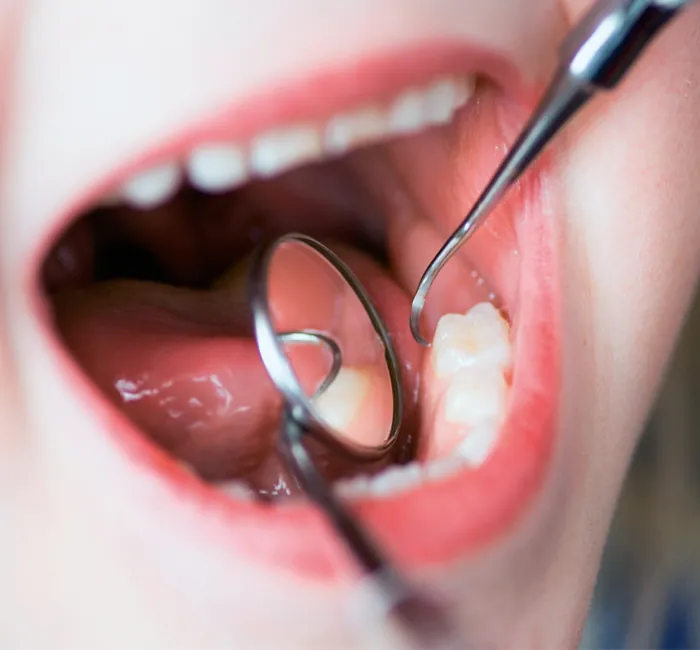
Oral cancer screening is a straightforward process that can be conducted during a routine dental visit. During screening, the dental team visually examines the mouth, tongue, lips and throat for any unusual changes and may gently feel the tissues for lumps or irregularities.
If any areas of concern are identified, a referral to an appropriate specialist for further investigation and diagnosis may be recommended. Early detection of oral cancer can make a significant difference in treatment options and outcomes.
Regular dental check-ups at Divine Dental Care in Croydon provide an opportunity for ongoing monitoring. If you have noticed any changes in your mouth or have concerns about your risk factors, contact our team to arrange an appointment.